
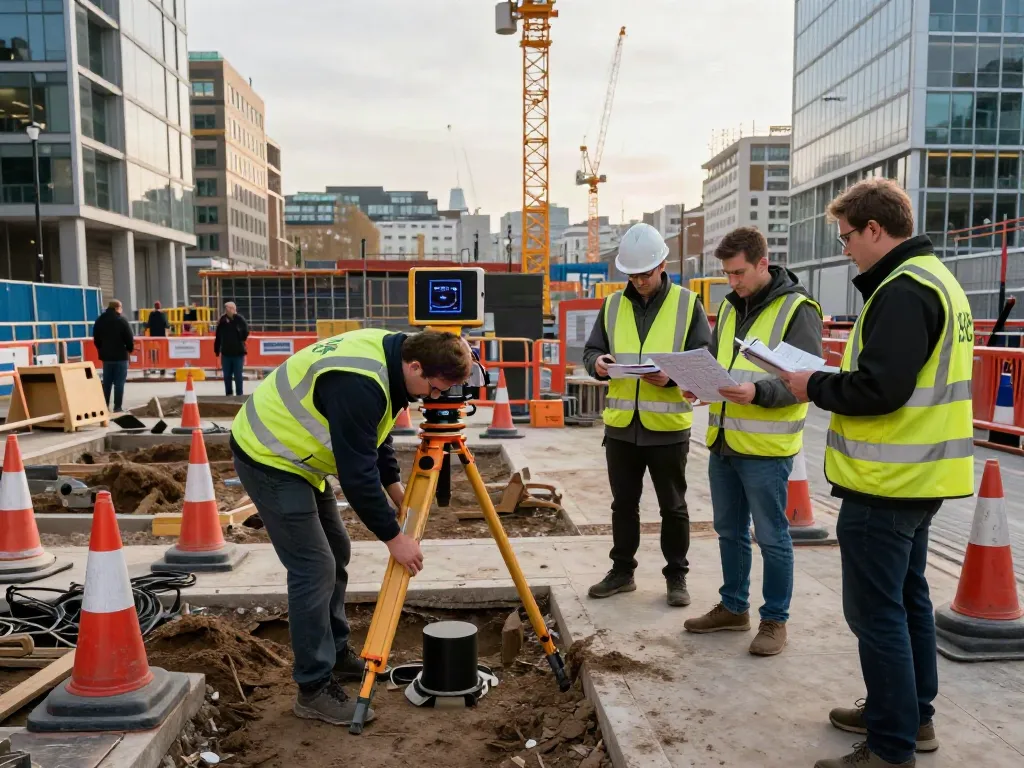
Understanding the Importance of Utility Surveys in London
Utility surveys are crucial for any construction or renovation project, especially in a bustling metropolis like London. They provide vital information about underground utilities, which can significantly influence project planning and execution. With the city’s complex infrastructure, failure to accurately identify existing utilities can lead to costly delays, safety hazards, and even legal issues. When exploring options, Utility Survey London offers comprehensive insights into this essential aspect of construction projects.
What is a Utility Survey?
A utility survey is a detailed analysis that identifies and maps underground utilities such as water pipes, gas lines, electrical cables, and telecommunications infrastructure. Using various techniques, these surveys help ensure that construction activities do not interfere with existing services, thereby mitigating risks and enhancing project efficiency.
Key Benefits of Utility Surveys for Construction Projects
- Risk Mitigation: By identifying underground utilities, surveyors can prevent accidental damage, which can lead to service interruptions and costly repairs.
- Informed Decision-Making: Accurate utility mapping allows project managers to make informed decisions regarding excavation and construction methods.
- Compliance with Regulations: Utility surveys ensure that projects adhere to safety standards and legal requirements, such as PAS128.
- Cost Efficiency: Early detection of utilities can save both time and resources, reducing the likelihood of unexpected expenses.
Regulatory Standards: PAS128 Compliance Explained
PAS128 is the British Standard for underground utility surveys. It outlines the processes and quality requirements for utility mapping, ensuring reliable data. Compliance with PAS128 helps in standardising the approach to utility surveys, which enhances trust and safety across construction projects.
Common Techniques for Utility Surveys
Ground Penetrating Radar (GPR): How It Works
Ground Penetrating Radar (GPR) is one of the most advanced techniques used in utility surveys. It employs radar pulses to image the subsurface, providing detailed information about the location and depth of underground utilities. GPR is particularly effective in urban areas where utilities might be densely packed.
Electromagnetic Location Services
This method uses electromagnetic signals to detect buried utilities. The equipment transmits a current through the utility lines, which then emits an electromagnetic field that can be detected by a receiver. This technique is effective for locating metallic utilities but may have limitations with non-metallic pipes.
Understanding Utility Tracing Methods
Utility tracing involves the use of various techniques to follow the path of existing utilities. This can include a combination of GPR, electromagnetic location, and manual inspection techniques. These methods are critical for verifying the accuracy of utility maps and ensuring comprehensive survey results.
Challenges and Misconceptions in Utility Surveying
Common Obstacles Surveyors Face in Urban Areas
Urban environments present unique challenges for utility surveys, such as limited access to survey sites, overlapping utilities, and variations in soil composition. Surveyors must navigate these complexities to deliver accurate and comprehensive results.
Myths about Utility Survey Costs and Duration
One common misconception is that utility surveys are excessively costly or time-consuming. However, the investment in a timely and accurate survey can save money in the long run by preventing costly mistakes and delays during construction.
Understanding Survey Limitations and Results Interpretation
While utility surveys are invaluable, they are not infallible. Limitations include depth limitations, accuracy of equipment, and potential interference from other underground structures. Understanding these factors is crucial for interpreting survey results effectively.
Best Practices for Conducting Effective Utility Surveys
Preparing for a Utility Survey: Key Steps
- Site Assessment: Conduct an initial assessment to understand the location and type of potential utilities.
- Define Objectives: Clearly outline the goals of the survey to guide the methodology and focus.
- Engage Professionals: Always work with qualified surveyors who are familiar with local regulations and techniques.
Choosing the Right Surveying Company
Select a company with a strong reputation for accuracy and compliance with PAS128. Look for client testimonials and case studies to gauge their expertise in utility surveying, particularly within London’s challenging environment.
Post-Survey: Analyzing and Utilising Survey Data
After completing a utility survey, it is crucial to analyse the data meticulously. Data should be organised in a usable format, and findings should be communicated clearly to all stakeholders involved in the project. This phase is essential for making informed decisions based on survey results.
The Future of Utility Surveys in London: Trends for 2026 and Beyond
Technological Advancements in Surveying Equipment
The field of utility surveying is continually evolving, with advancements in equipment and technology enhancing survey accuracy and efficiency. Innovations like multi-sensor GPR and automated data processing tools are set to transform the surveying landscape.
How AI and Machine Learning are Shaping Utility Surveys
Artificial Intelligence (AI) and machine learning applications are playing an increasingly significant role in utility surveys. These technologies can improve data analysis, enabling more precise predictions and insights from survey results.
Sustainability Practices in Utility Surveying
As environmental concerns rise, sustainability in utility surveying has become a major focus. Implementing eco-friendly practices, such as minimising ground disturbance and utilising lower-impact surveying technologies, is becoming essential in urban planning and construction.
How much does a Utility Survey typically cost in London?
The cost of a utility survey can vary depending on factors such as the size of the area, the complexity of the site, and the methods used. Typically, prices can range from several hundred to several thousand pounds.
What are the leading companies for Utility Surveys in London?
Several reputable companies offer utility surveying services in London, including established firms that comply with PAS128 and provide a range of survey techniques suited for diverse projects.
How long does a Utility Survey take to complete?
The duration of a utility survey depends on the site complexity and the size of the area surveyed. Generally, a standard survey can take anywhere from a few hours to several days.
What is the importance of PAS128 in Utility Surveys?
PAS128 ensures standardisation in utility survey practices, enhancing data quality and reliability. Compliance with this standard not only preserves safety but also facilitates seamless project execution.
Are there any reviews for Utility Survey companies in London?
Online platforms and local forums can provide valuable insights into customer experiences with utility survey companies. Checking reviews and testimonials is an excellent way to gauge service quality before making a selection.